
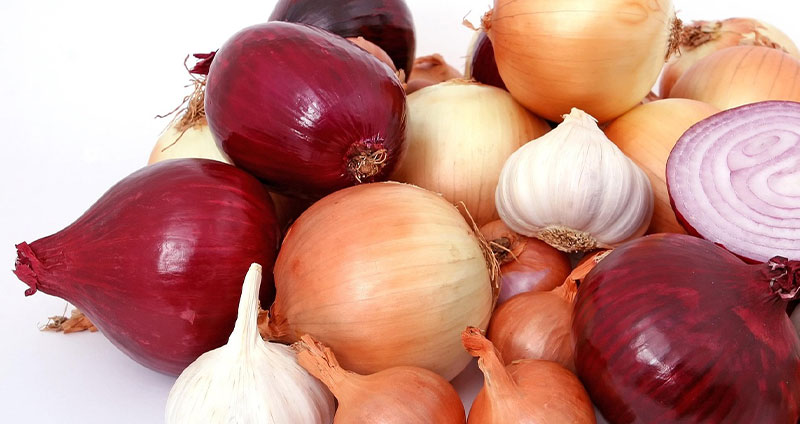
Homemade spices offer a wonderful opportunity to make the flavors in your kitchen unique and healthier. Instead of store-bought versions, homemade garlic powder and onion powder guarantee no artificial additives and ensure you’re using only the best ingredients. In this comprehensive guide, I’ll show you step by step how to make these essential spices at home and how to use them most creatively!
Why Choose Homemade Spices?
Health and Natural Quality
Homemade spices contain no artificial additives, preservatives, or fillers, so you can be sure you’re using only natural ingredients. Store-bought garlic powder and onion powder often contain added salt, anti-caking agents, or even various fillers that reduce the product’s purity. When you make it yourself, you know exactly what goes into it.
Additionally, homemade dried and ground versions retain the original nutrients. Garlic, for example, is rich in allicin, known for its antioxidant and anti-inflammatory properties, while onion’s quercetin content supports the immune system. During commercial processing, these beneficial compounds can be partially lost, but with gentle home drying, they can be maximally preserved.
Freshness and Intense Flavor
Homemade spices are much fresher and more flavorful than store-bought versions that have often been sitting on shelves for months. Think about it: the journey of commercial spices typically takes weeks or months from production to your kitchen. During this time, they continuously lose their aroma and intensity.
When you make the spices yourself, you can use them within days of preparation, completely fresh. The flavor difference is enormous – a pinch of homemade garlic powder provides a much more powerful and complex taste experience than its store-bought counterpart. With onion powder, you can much better enjoy the sweet, caramelized aroma in the freshly ground version.
Creativity and Control
You can easily customize the preparation, mixing them with other spices such as dried herbs, paprika, or even chili flakes. You decide how fine or coarse you want the grind, what proportions you want to use, and exactly what flavor profile you want to achieve.
This freedom is especially useful if you have special dietary needs. For example, you can make a salt-free version if needed, or create a seasoned salt that includes garlic, onion, and your favorite salt. The possibilities are endless.
Environmentally Friendly and Economical
Less packaging and waste, a more sustainable choice. When you buy fresh garlic and onions in larger quantities and process them at home, you can significantly reduce the amount of plastic and other packaging materials. Additionally, you’ll save money in the long run, as the cost price is a fraction of store-bought products.
Moreover, if you have your own garden or balcony, you can even grow these plants yourself, further reducing your ecological footprint and costs.
How to Make Garlic Powder at Home?
Required Tools and Ingredients
- Fresh garlic cloves (the fresher and better quality, the better the result)
- Oven or food dehydrator (both work, but the dehydrator gives more even results)
- Coffee grinder or spice mill (electric version is faster, but a mortar can also be used for smaller batches)
- Airtight glass jar for storage (dark glass is ideal for preserving freshness)

Detailed Preparation Steps
1. Preparation and Selection Start by choosing good quality, fresh garlic. Avoid sprouting, soft, or browning cloves. Ideal garlic is firm, dry, and white or slightly creamy. If possible, choose local, organic garlic, which is usually more intensely flavored and treated with fewer chemicals.
2. Cleaning and Slicing Peel the garlic cloves carefully. This can be the more time-consuming part of the process, but it’s worth the effort. A trick: if you dip the cloves in lukewarm water for a few seconds beforehand, the skin comes off more easily.
Slice them thinly – ideally 2-3 mm thick. The thinner you cut them, the faster they dry and the more even the result will be. You can use a sharp knife or a mandoline for cutting. If you want very thin slices, the mandoline is a perfect choice, but watch your fingers!
3. Drying – The Crucial Step Place the slices on a baking sheet lined with parchment paper, making sure they don’t touch each other and don’t overlap. This ensures even drying.
If using an oven: Set the temperature between 60-80°C (140-175°F). Higher temperatures can burn the garlic, resulting in a bitter taste. Dry them for 3-4 hours, but check their condition regularly. Depending on the size and thickness of the slices, this can take up to 5 hours. Ideally, leave the oven door slightly open with a wooden spoon so the moisture can escape.
If using a dehydrator: This is the simpler solution because the dehydrator is specifically designed for this purpose. Set it between 57-63°C (135-145°F) and let it work for 6-8 hours. The dehydrator’s advantage is that it provides more even air circulation, so every piece of garlic dries uniformly.
How do you know it’s done? The slices are perfect when they’re completely crispy and dry, breaking easily. If you feel any flexibility or moisture in them, continue drying. Perfectly dried garlic can be almost glass-like and translucent at the edges.
4. Grinding – Determining the Texture Let the dried garlic cool completely before grinding. Put the dry garlic pieces in a coffee grinder and grind to a fine powder. Be careful not to grind too much at once – maximum half a cup – so the grinder doesn’t overheat, as heat can reduce the aroma.
If you have a coffee grinder, it’s perfect for this purpose. If not, you can use a spice mill or even a food processor. For smaller batches, a mortar and pestle also works, though it requires more effort.
The final result can be fine powder or slightly coarser grind, depending on how long you grind it. Experiment to find the ideal texture for you!
5. Storage – Preserving Freshness Put the finished garlic powder in an airtight glass jar, preferably dark-colored. Label it with the date so you know when it was made. Store in a dark, cool, dry place – ideal is a pantry or cabinet away from the stove or other heat sources.
This way it can maintain its freshness for 6-12 months, though it provides the best flavor in the first 6 months. If you notice the flavor weakening, simply make a new batch!
How to Make Onion Powder at Home?
Required Tools and Ingredients
- Fresh onions (you can choose yellow or red onions, each has its own character)
- Oven or food dehydrator
- Coffee grinder or spice mill
- Airtight glass jar for storage

Detailed Preparation Steps
1. Preparation and Selection Choose nice, firm onions that are free from mold or soft spots. Different onion types give different flavors: red onions are sweeter and milder, while yellow onions are stronger and more pungent. You can choose both and process them separately, or even mix them.
2. Cleaning and Chopping Peel the onions carefully, removing the outer papery layer and the first fleshy layer if it’s damaged or limp. Slice into thin rings (3-4 mm) or small cubes. Rings dry faster, but cubes are easier to handle. The smaller the pieces, the faster they dry.
Warning: cutting onions can cause tears! Some tricks to avoid this: chill the onion for 15 minutes before cutting, use a sharp knife (a dull knife tears more cell walls, releasing more irritating substances), or wear swimming goggles if you’re very sensitive.
3. Drying – Patience Required Place the onion pieces on a baking sheet lined with parchment paper in a single layer. Onions have higher moisture content than garlic, so they require longer drying time.
If using an oven: At low heat (60-80°C / 140-175°F), bake them until completely dried and crispy. This can take 5-8 hours. The onions will initially release their moisture and become quite wet – this is normal. As drying progresses, they gradually start to dry. Halfway through, you can flip the pieces for more even drying.
If using a dehydrator: Set it to 57-63°C (135-145°F) and expect 8-12 hours of drying time. With a dehydrator, you often need to rearrange the trays for better air circulation.
Properly dried onions will be light golden-brown in color and so crispy they easily crumble between your fingers.
4. Grinding – Creating Even Powder Once the slices are completely dried and cooled, grind them to a fine powder in a coffee grinder. Onions grind more easily than garlic and quickly form a fine powder. This creates an even texture that mixes perfectly into any dish.
5. Storage – Long-term Preservation Store the onion powder in an airtight glass jar in a dark, dry place. Label it with the date. This way it stays fresh for 6-12 months, though – like with garlic – it provides the best flavor in the first 6 months.
Extra Tips for Perfect Results
Creating Spice Blends
Before grinding, you can add various ingredients to create exciting spice blends:
- Garlic seasoned salt: Mix ground garlic with sea salt in a 1:3 ratio
- Mediterranean blend: Add dried basil, oregano, and rosemary
- Asian-inspired: Mix with dried ginger and lemongrass
- Smoky version: Add a pinch of smoked paprika
Time-Saving and Planning
You can prepare a larger batch of onions at once and store them for longer periods. If you’re already using the oven or dehydrator, maximize its capacity! Make both garlic and onions at the same time, or try other dried spices like herbs or peppers.
It’s worth designating one day a month for spice preparation. This not only saves time but guarantees you’ll always have a fresh supply.
Creative Usage Ideas
- For marinades: Mix with garlic powder, onion powder, olive oil, and lemon juice
- Salad dressings: Add to yogurt or sour cream as seasoning
- Homemade herb butter: Mix both spices into creamy butter
- Soups and stews: Use as a base seasoning
- Bread baking: Sprinkle on dough before baking
- Meat marinating: Rub the meat with the powder mixture
Quality Control
How do you know if your spice is still fresh? Smell it! If it has lost its intense aroma or has developed a slightly sour smell, it’s time to make a new batch. The color can also be an indicator – if it has darkened significantly or faded, it’s past its prime.
Gift Idea
Homemade garlic powder and onion powder make wonderful gifts too! Fill them in nice small jars, label them with handwritten or printed labels, and add a small recipe card with usage ideas. This is a personal, thoughtful gift that brings joy to anyone who loves cooking.
Additional Benefits and Uses
Health Benefits Worth Noting
Beyond the culinary advantages, both garlic and onion powders offer significant health benefits. Garlic powder contains compounds that may help lower blood pressure and cholesterol levels. Its antimicrobial properties have been recognized for centuries, making it not just a flavor enhancer but a health booster.
Onion powder is rich in antioxidants and may help reduce inflammation in the body. It contains prebiotic fibers that support gut health, and its sulfur compounds have been linked to improved heart health. When you make these powders at home, you maximize these benefits because the nutrients remain intact through the gentle drying process.
Cooking Applications in Different Cuisines
These versatile powders work across countless cuisines:
- Italian cooking: Essential for pasta sauces, pizza, and Italian seasoning blends
- Mexican dishes: Perfect in taco seasoning, enchilada sauce, and fajita marinades
- Indian cuisine: Combine with other spices for curry powders and masalas
- American comfort food: Great in burgers, meatloaf, and roasted vegetables
- Asian dishes: Mix with ginger and other aromatics for stir-fries
Professional Chef Techniques
Professional chefs often “bloom” garlic and onion powders in oil or butter before adding other ingredients. This technique, called tempering, releases more aromatic compounds and intensifies the flavor. Heat a tablespoon of oil, add your powder, stir for 30 seconds until fragrant, then proceed with your recipe.

Another professional trick is to rehydrate the powders in a small amount of water or broth before adding them to certain dishes. This creates a paste that distributes more evenly and prevents clumping in sauces or gravies.
Troubleshooting Common Issues
Problem: My garlic turned brown or burned during drying. Solution: Lower your temperature. Even 10-15 degrees can make a difference. Patience is key – low and slow wins the race.
Problem: The powder clumps together in storage. Solution: Make sure your garlic or onions were completely dry before grinding. Add a few grains of rice to your storage jar to absorb any residual moisture.
Problem: The flavor isn’t as strong as I expected. Solution: You may have used older garlic or onions, or stored the powder too long. Fresh ingredients make the biggest difference. Also, try using slightly more than you would with commercial versions until you gauge the strength.
Problem: My powder is too coarse. Solution: Grind in smaller batches and for longer periods. You can also sift the powder through a fine-mesh strainer and re-grind the larger pieces.
Sustainable Practices
Making your own spice powders fits perfectly into a zero-waste lifestyle. You can use garlic and onion scraps that might otherwise be discarded – slightly bruised cloves or the smaller pieces that are tedious to use fresh. Every part gets utilized, nothing goes to waste.
Consider composting the papery skins and any pieces that don’t meet your quality standards. They break down quickly and add nutrients to your compost pile.
Scaling Up Production
If you find yourself making these powders regularly, consider investing in a good quality dehydrator. They’re more energy-efficient than ovens for long drying times and can handle multiple trays simultaneously. Some models even have timers and automatic shut-off features.
You might also want to dedicate a coffee grinder exclusively to spices. While you can clean a grinder between uses, having a separate one prevents any flavor transfer and saves cleaning time.
Conclusion
Homemade garlic powder and onion powder are not only practical and cost-effective but also provide a truly special, personalized taste experience for your dishes. While the preparation can be time-consuming, the invested effort pays off with every use in intense flavor, freshness, and healthier eating.
Give homemade spice-making a chance and enjoy the flavors of home with every meal! Once you try it and experience the difference between homemade and store-bought versions, you’ll never go back to commercial products. This is the kind of small kitchen project that brings real change to your everyday cooking and provides years of joy and satisfaction.
The beauty of this process lies not just in the final product, but in the knowledge that you’ve created something pure, healthy, and delicious with your own hands. Every time you reach for that jar of homemade garlic or onion powder, you’re choosing quality, sustainability, and superior flavor. You’re also connecting with an age-old tradition of preserving foods and creating pantry staples that our ancestors would recognize and appreciate.
So gather your ingredients, set aside an afternoon, and embark on this rewarding culinary adventure. Your taste buds – and your body – will thank you for it!
___________________________________________________________
For more inspiration and homemade goodness, visit our Pinterest page 🧡