
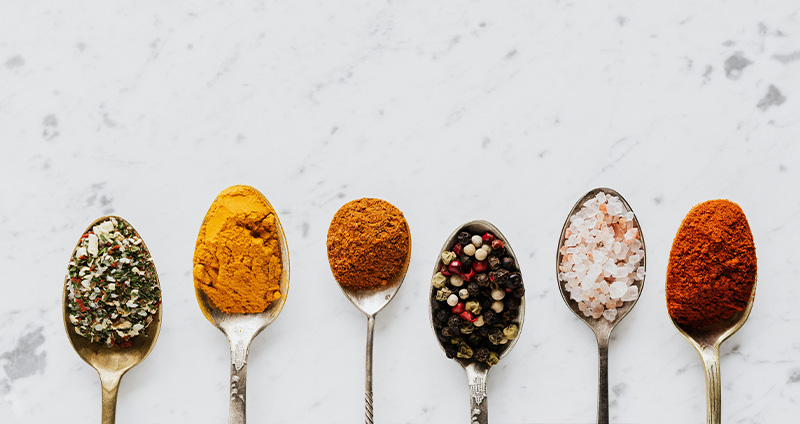
Making seasoned salt at home is not only an exciting kitchen experiment but also guarantees that your dishes remain completely natural and additive-free. If you love varied and creative flavors, making your own seasoned salt is the perfect way to create a personalized taste profile at home.
Awareness and health-conscious living are increasingly gaining ground in modern kitchens. Many of us are trying to return to natural basics, avoiding unnecessary additives and chemical flavor enhancers. Homemade seasoned salt embodies exactly this philosophy: made from simple, clean ingredients, yet capable of working wonders with the flavors of our dishes.
What to Look for When Buying Salt at the Store?
The foundation of good seasoned salt is always quality salt. We often don’t even think about the differences between the salts lining store shelves, but it’s worth choosing carefully.
Always read the information on the salt packaging. Use only additive-free salt for your food. Many commercially available salts contain anti-caking agents and anti-clumping additives that we really don’t need. While these substances extend the product’s shelf life and prevent the salt from clumping due to moisture, they’re completely unnecessary if you use salt regularly and store it in a dry place.
If you have the opportunity, get sea salt from natural sources. Look for unrefined varieties that are rich in minerals. This comes from their natural origin—salt from ancient sea deposits has preserved its original mineral composition. A grayish or pink color is actually a sign of purity, as it hasn’t been bleached or chemically processed.
Look for these when shopping:
- Additive-free salt (check the ingredients list)
- Sea salt varieties with natural mineral content
- Himalayan pink salt with its characteristic rosy shade from natural iron and mineral content
- Iodized salt if you live inland and consume few sea-origin foods (iodine supports thyroid function)
Many sea salts and Himalayan salts are additive-free. Sea salts generally have rich mineral content, while Himalayan salt’s special pink hue is due to its natural iron and mineral content. Feel free to use these varieties, as each provides an excellent base for homemade seasoned salt.
Why Make Seasoned Salt at Home?
The question is legitimate, as store shelves are overflowing with various spice blends. Still, there are many reasons to make our seasoned salt at home with our own hands.
Store-bought spice blends often contain salt with additives, artificial flavor enhancers, and preservatives, which you can avoid by making your own blend. Most commercial seasoned salts contain glutamate or other artificial flavor enhancers, which while intensifying flavors, can lead to health problems in the long term. Many people experience headaches, thirst, or other discomforts after consuming them.
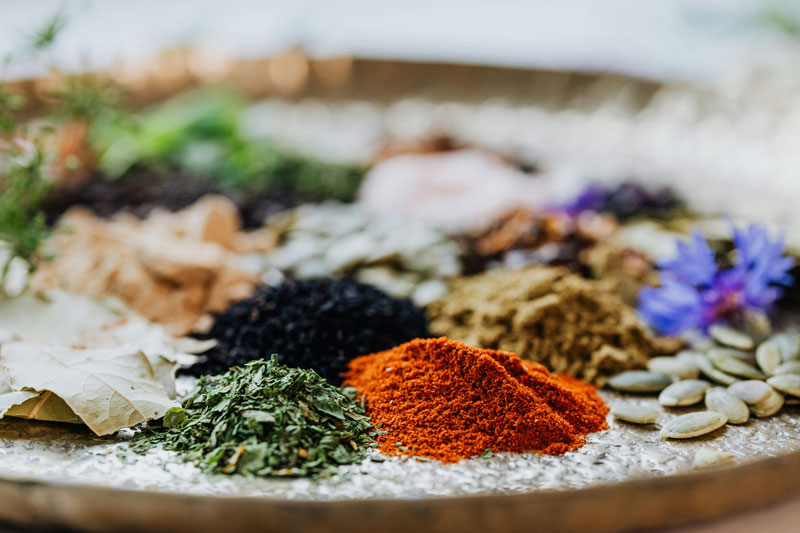
With homemade seasoned salt, you can not only control the flavor profile but also carefully select the ingredients, using healthier and cleaner raw materials. You know exactly what goes into the blend and can be sure that every component is fresh and quality.
Advantages:
Complete control over ingredients – You decide how much garlic, pepper, or oregano goes into the blend. If you don’t like a certain spice or are allergic to it, simply leave it out.
Healthier and cleaner alternative – No hidden additives, artificial colors, or allergenic ingredients. Everything in the seasoned salt is pure and natural.
Budget-friendly solution, as homemade blends are cheaper – With a small investment, you can make more than you could buy in a store for the same price. Plus, dried spices last a long time, so it’s worth buying them in larger quantities.
Customizable – you can compose it according to your taste. If you like spicy, add more chili powder. If you prefer Mediterranean flavors, more oregano and rosemary can go into the blend. The possibilities are endless.
Basic Homemade Seasoned Salt Recipe
This is a classic and universal seasoned salt that’s perfect for meats, vegetables, and soups. This recipe provides an excellent base that you can modify later to your liking.
Ingredients:
- 100 grams coarse sea salt or Himalayan salt – this will be the base of the blend
- 1 tablespoon granulated garlic – provides the characteristic, tangy flavor
- 1 tablespoon granulated onion – lends a softer, sweeter aroma
- 1 teaspoon smoked paprika – adds depth and smoky character
- 1 teaspoon dried thyme – classic Mediterranean herb that pairs excellently with meats
- 1 teaspoon dried basil – has a fresh, slightly sweet aroma
- 1 teaspoon freshly ground black pepper – adds spiciness and complexity to the flavor
Preparation:
Mix all ingredients in a bowl. It’s important to mix them thoroughly so that every spoonful of seasoned salt has an even flavor. Use a wooden spoon or spatula to thoroughly blend the ingredients.
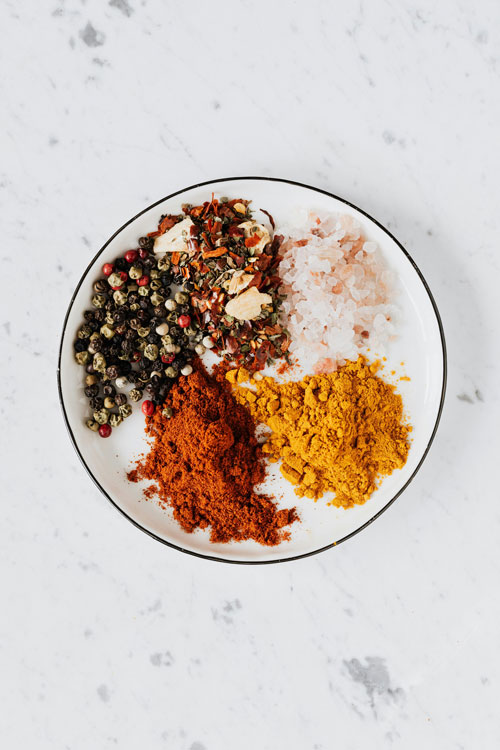
If you want a finer texture, use a mortar or coffee grinder. The mortar is a traditional and effective way to crush spices, plus it better releases the essential oils from the spices. If using a coffee grinder, make sure to clean it thoroughly before and after, so no coffee flavor remains in the seasoned salt.
Store in an airtight glass jar to preserve its aroma. Moisture is the greatest enemy of seasoned salt, so it’s important to store it in a dry, cool place. You can keep a smaller jar near the kitchen counter for daily use, while storing the larger supply in the pantry.
Special Seasoned Salt Variations
If you want to further refine the flavors, try these unique variations. Each variation lends a different character and mood to dishes.
Spicy Seasoned Salt
For those who love stronger, more piquant flavors, this variation is the perfect choice.
Add ground cayenne pepper or chili powder to make it spicier. Cayenne pepper is stronger and spicier, while chili preparations are often smokier in flavor. Start with a smaller amount and gradually increase until you reach the desired spiciness.
Excellent for grilled meats and roasted vegetables. Spicy seasoned salt looks particularly good on chicken wings, grilled peppers, or even roasted potatoes. The spiciness brings out the natural flavor of meat and creates an interesting contrast with sweeter vegetables.
Mediterranean Seasoned Salt
This version brings the characteristic aromas of Mediterranean cuisine to your kitchen.
Mix in dried oregano, rosemary, and lemon zest for an Italian flavor. Lemon zest adds freshness, while oregano and rosemary lend classic Mediterranean character. Use only dried lemon zest, as fresh lemon zest’s moisture content makes it unsuitable for long-term storage.
Goes wonderfully with fish dishes, tomato sauces, and salads. Even simple pasta with tomato sauce becomes mouth-watering with this seasoned salt. Try it sprinkled on grilled salmon or Greek salad—it’s guaranteed to win you over.
Smoky BBQ Seasoned Salt
A must-have for grilling enthusiasts, this seasoned salt variation.
Use smoked paprika, brown sugar, and mustard powder for authentic BBQ flavor. Brown sugar caramelizes during grilling or baking, forming a sweet crust on the meat. Mustard powder adds spicy depth, while smoked paprika evokes the atmosphere of backyard cookouts.
Perfect for grilling and marinating. Use it on ribs, brisket, chicken, or even grilled vegetables. If you want to marinate meat, mix the seasoned salt with olive oil and a little vinegar, then rub it on the meat a few hours before grilling.
Indian Seasoned Salt
For lovers of exotic flavors, this version opens up the world of Eastern spices.
Mix in turmeric, coriander, and cardamom to make it more exotic. Turmeric adds intense yellow color and earthy flavor, coriander adds citrus notes, while cardamom lends a sweetish, slightly minty aroma. It’s worth starting with small amounts, as these spices are strong.
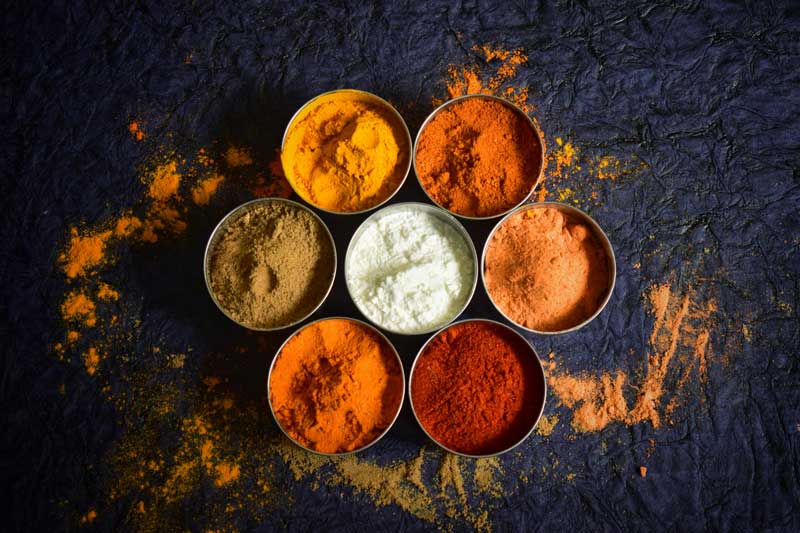
Super for curries and vegetable dishes. Try it on roasted cauliflower, chickpea curry, or for making dal soup. This seasoned salt pairs excellently with rice dishes and gives vegetarian meals a unique, memorable flavor.
Storage and Usage Tips
Proper storage is crucial for preserving the freshness and aroma of seasoned salt.
Store in an airtight glass jar to preserve freshness. The best choice is a clip-top canning jar or a container with a silicone seal. Avoid plastic containers, as they let air and moisture through.
Store in a dark, cool place, as light and heat reduce aroma. Spices’ essential oils are sensitive to heat and light, so a pantry or lockable kitchen cabinet is an ideal storage location. Don’t keep it near the stove or in direct sunlight.
Use it boldly as a gift! Create custom labels and decorative jars. Homemade seasoned salt can be a personal and thoughtful gift for friends and family. Decorate it with ribbon, make a nice handwritten or printed label indicating the ingredients and usage suggestions. It’s guaranteed to be a hit at Christmas or for birthdays.
Creative Uses for Homemade Seasoned Salts
Seasoned salt can be used for much more than you’d think. Don’t limit yourself to traditional use.
For flavoring soups and stews – A pinch of seasoned salt works wonders with a simple vegetable soup or lentil stew. Try it with pumpkin soup or tomato soup.
For seasoning grilled meats and vegetables – Sprinkle meat or vegetables before grilling, or mix with olive oil and use for marinating. Seasoned salt adheres evenly to the surface and forms a delicious crust.
For salads and dressings – Mix it into salad dressing or sprinkle directly on fresh salad. Excellent choice for making vinaigrette or yogurt-based dressing.
For extra flavoring of your bread or baked goods – Sprinkle on top of dough before baking, or mix into the dough. Particularly recommended for focaccia or homemade savory pastries. Mediterranean seasoned salt looks wonderful on ciabatta bread or spread on garlic baguette.
Final Thoughts
Making homemade seasoned salt is a simple but great way to make your food healthier and tastier. You don’t need to be a professional chef to create special spice blends—just a little creativity and an experimental spirit.
Try your own combinations, experiment with flavors, and enjoy the magic of homemade spice blends. Start with the basic recipe, then gradually try different variations. Write down which combination you used for what, so you can reproduce your favorite flavors later.

Making seasoned salt is a skill that not only makes your food better but also connects you with cooking traditions and natural ingredients. When you make your own spice blend, you better understand how flavors work and how different aromas harmonize with each other.
Don’t be afraid to experiment with new spices and proportions. Perhaps you’ll discover your own unique blend that perfectly suits your family’s taste. Cooking is both art and play—enjoy the process, and don’t worry if your first attempt isn’t perfect. Every experiment brings you closer to finding your ideal flavor profile.
What seasoned salt will you try first? Share your own variation in the comments and inspire others to use spices creatively!
___________________________________________________________
For more inspiration and homemade goodness, visit our Pinterest page 🧡
Hi, this is a comment.
To get started with moderating, editing, and deleting comments, please visit the Comments screen in the dashboard.
Commenter avatars come from Gravatar.